
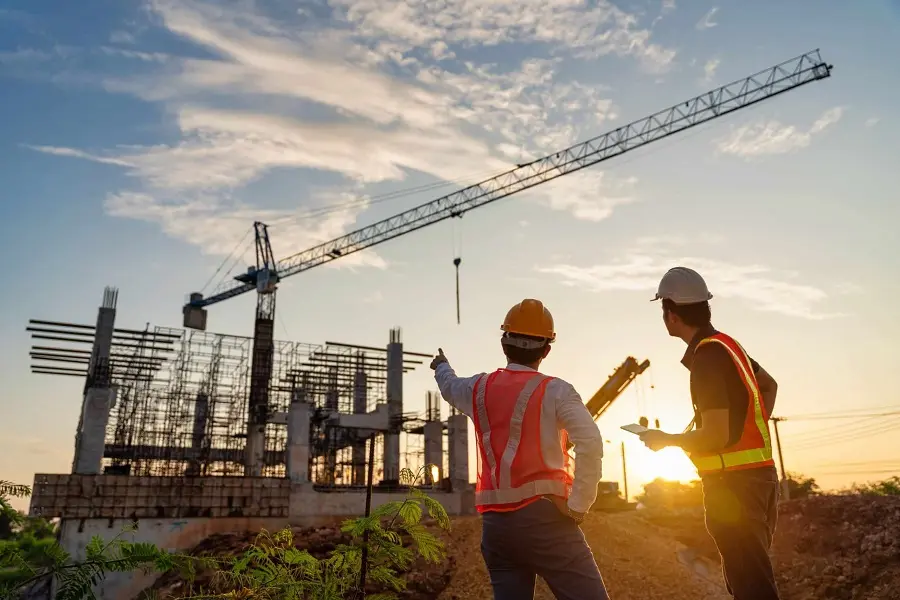
A construction project rarely goes exactly as planned, but that does not mean every unexpected expense is unavoidable. In many cases, budget problems begin much earlier, often when the project is being priced. If quantities are missed, labour is underestimated, or important parts of the scope are overlooked, those small errors can become expensive once work begins.
This is why construction estimating is such an important step for builders and contractors. A well-prepared estimate gives the project team a realistic financial starting point and helps identify potential issues before they turn into problems on site.
Start With the Drawings, Not a Guess
Every reliable estimate starts with a careful review of the project documents. Drawings, specifications, schedules, and other supporting information contain details that can easily be missed when someone relies on a quick visual assessment. An estimator needs to understand what is actually being built before assigning costs to it. The type of structure, dimensions, finishes, structural requirements, services, and site-related work can all influence the final figure.
Taking time to review the documents properly can reveal details that might otherwise be left out of the budget. It also provides an opportunity to identify inconsistencies or unclear information before pricing moves too far forward.
Turning Plans Into Measurable Quantities
Once the scope is understood, the next challenge is determining how much of each material or construction component is required. This is where quantity takeoff services can make the estimating process more organised.
A takeoff translates information from drawings into measurable quantities. Instead of simply saying that a project needs “a large amount of concrete” or “several rooms of flooring,” the estimator can calculate the quantities required for each relevant item. Depending on the project, a takeoff may cover:
- Concrete and reinforcement
- Structural steel
- Timber and framing
- Brickwork and masonry
- Roofing materials
- Flooring and finishes
- Doors and windows
- Plasterboard
- Paint and other finishing materials
The more clearly these quantities are documented, the easier it becomes to move from measurement to accurate pricing.
Separate the Costs Into Practical Categories
One overall project figure does not tell a builder much about where the money is going. Breaking the estimate into categories provides a more useful view. Material, labour, equipment, subcontractor, and other project costs can be assessed separately. This approach makes it easier to spot unusual figures. If one trade appears significantly more expensive than expected, the estimator can investigate the reason rather than discovering the issue after construction starts.
A detailed breakdown can also be useful when the client requests changes. If a particular finish or construction element is modified, the related cost can be reviewed without having to recalculate every part of the project.
Labour Deserves More Attention
Materials often receive a lot of attention during estimating, but labour can be just as important. The amount of work required depends on factors such as project complexity, construction methods, site access, crew productivity, and the type of trade involved. Two projects with similar material quantities may therefore have very different labour costs.
For this reason, labour allowances should be based on the actual scope wherever possible. Using overly broad assumptions can create a budget that looks attractive initially but becomes difficult to maintain during construction.
Location Can Change the Numbers
Construction costs are not identical across Australia. Local market conditions, availability of trades, supplier pricing, transport, site conditions, and project accessibility can all influence an estimate. For example, a project requiring Construction Estimating Sydney may have different cost considerations from one in Perth or Brisbane. Inner-city sites can present access and logistics challenges, while projects in other areas may have different labour or supplier conditions.
This does not mean every location needs a completely different estimating method. Rather, the estimate should reflect the circumstances surrounding the specific project instead of depending entirely on generic figures.
Allow for the Parts That Are Easy to Forget
Some costs are obvious from the plans. Others are easier to overlook. Site preparation, temporary works, waste, delivery, equipment, supervision, permits, and certain subcontractor requirements can all affect the final project cost. Depending on the type of construction, there may also be allowances for site-specific conditions that are not immediately obvious from a basic drawing.
A good estimator therefore looks beyond the most visible materials. The objective is to understand the complete cost of delivering the project, not just the cost of the major building components.
Estimates Should Be Updated When Projects Change
Construction documents can change several times before work starts. A revised drawing may alter dimensions, materials, layouts, or specifications. If the estimate is based on an older version, the final price may no longer reflect the actual project.
Keeping quantities and pricing organised makes revisions much easier. Instead of rebuilding the estimate from scratch, the affected sections can be reviewed and updated. This becomes especially valuable on larger projects where a single design change can affect several trades.
A Better Estimate Supports Better Decisions
The real value of estimating is not simply producing a number. It is giving builders information they can use. A contractor can compare supplier quotations, review potential profit margins, assess whether a tender is realistic, and identify areas where costs might be reduced without compromising the project. quantity takeoff services can also provide a clearer breakdown of the materials and quantities involved, helping clients understand where their budget is being allocated. In that sense, estimating becomes a decision-making tool rather than just an administrative task.

Final Thoughts
Construction estimating plays a central role in controlling project costs before construction begins. By carefully reviewing plans, measuring quantities, considering labour, checking local conditions, and accounting for less obvious expenses, builders can create budgets that are much closer to the reality of the job. No estimate can predict every event on a construction site. However, a thorough one can reduce avoidable surprises and give contractors a stronger foundation for pricing, planning, and managing their work.
FAQs
1. What does construction estimating include?
It can include the expected costs of materials, labour, equipment, subcontractors, site-related expenses, overheads, and other items required to complete a construction project.
2. What are quantity takeoff services used for?
They are used to measure and organise the quantities of materials and construction components shown in project drawings and specifications. These measurements can then be used for pricing and budgeting.
3. Can an estimate change after it has been prepared?
Yes. Estimates may need to be revised when drawings, specifications, material prices, labour requirements, or the project scope changes.
4. Does project location affect construction costs?
Yes. Labour availability, supplier pricing, transportation, site access, and local market conditions can all affect the cost of a project.
5. Why should labour costs be estimated separately?
Separating labour from other costs makes the estimate easier to review and helps contractors understand how much of the project budget is associated with each trade or activity.
Let Appkod AU Help You Grow Your Business Online
From SEO strategy to better visibility, we help businesses turn search traffic into real growth.
Talk to Appkod AU